
Premium Corporate Gifts & Custom Branding Solutions
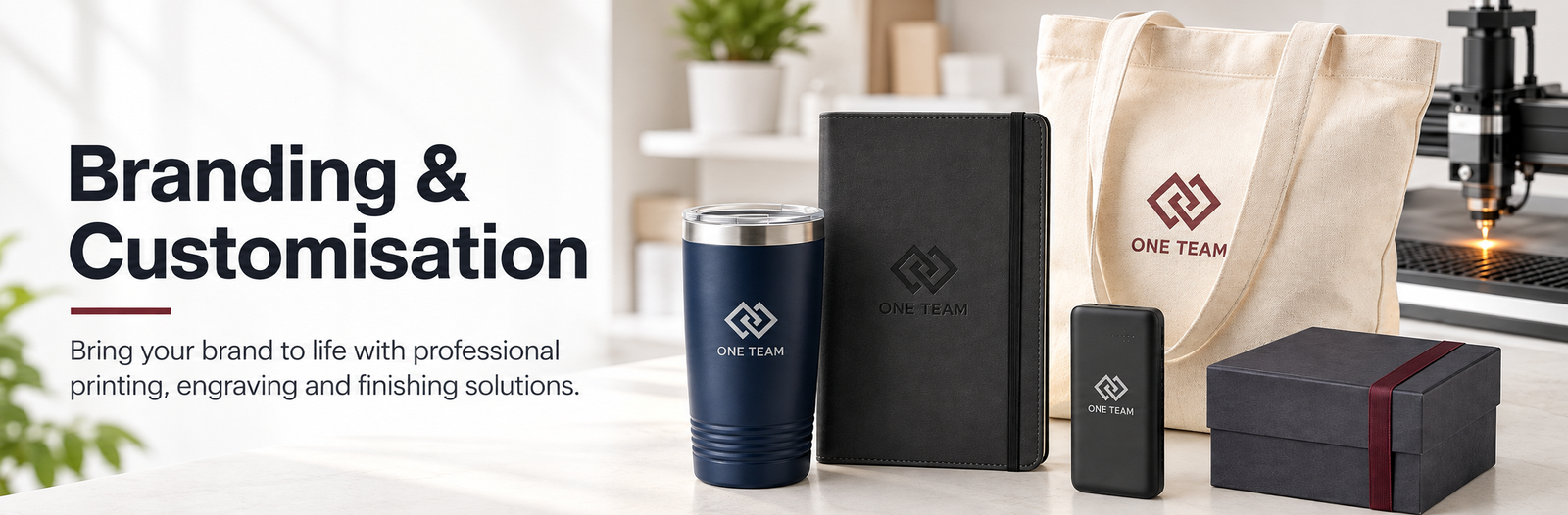
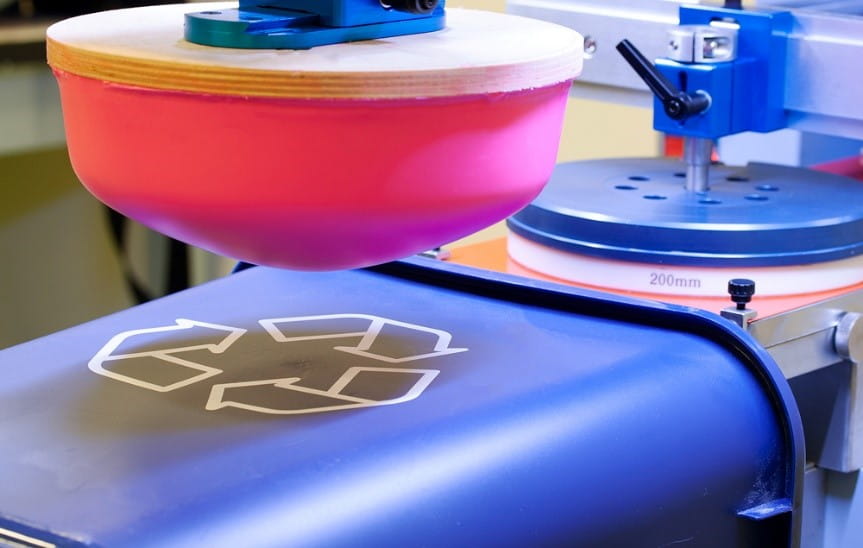
Pad printing is a versatile method that transfers ink from an etched plate onto a product using a soft silicone pad. It is ideal for printing logos, text and simple designs on three-dimensional, curved, uneven or recessed surfaces. This technique is widely used for personalising promotional gifts, pens, drinkware and various irregularly shaped plastic items.
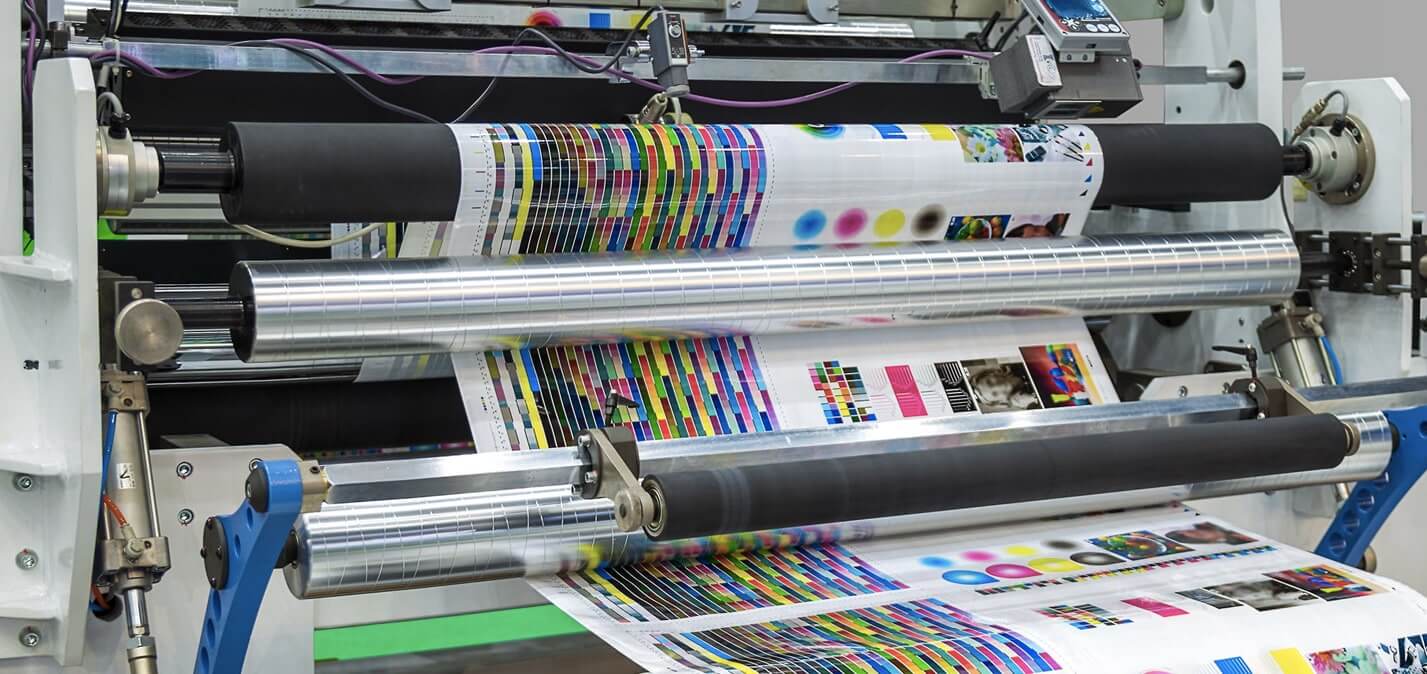
Roller printing is a textile printing method that uses engraved rollers to apply continuous patterns onto fabric. It delivers sharp details, consistent colours, and efficient production, making it suitable for high-volume apparel and textile manufacturing.
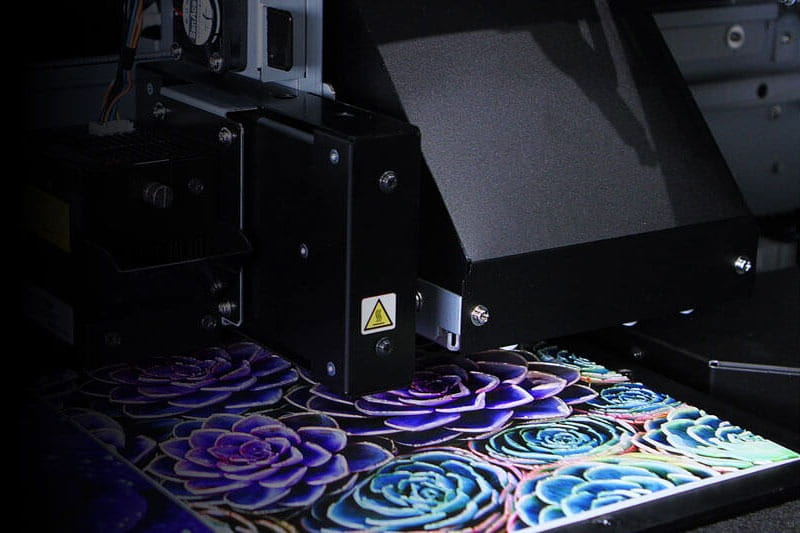
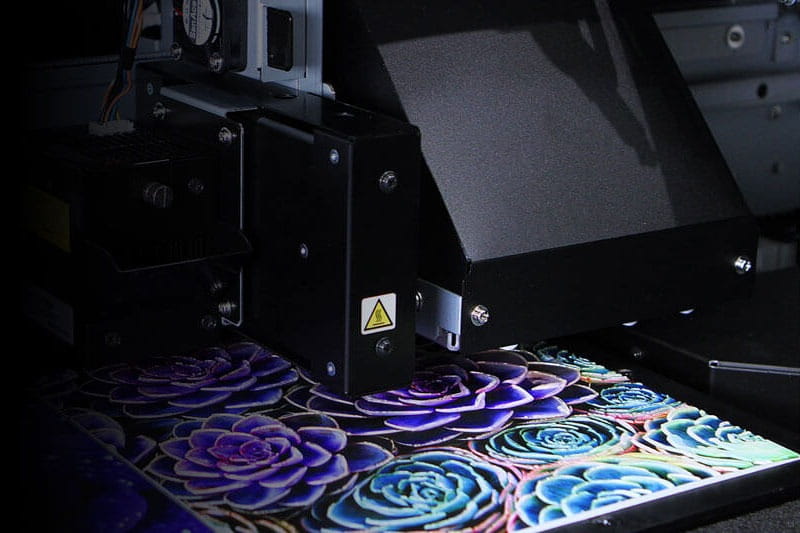
UV printing uses ultraviolet light to cure ink instantly, producing sharp text and vibrant, full-colour graphics directly on a wide range of materials. It is ideal for customising power banks, notebooks, keychains, gift boxes and other promotional products, offering excellent detail, durability and a professional finish.
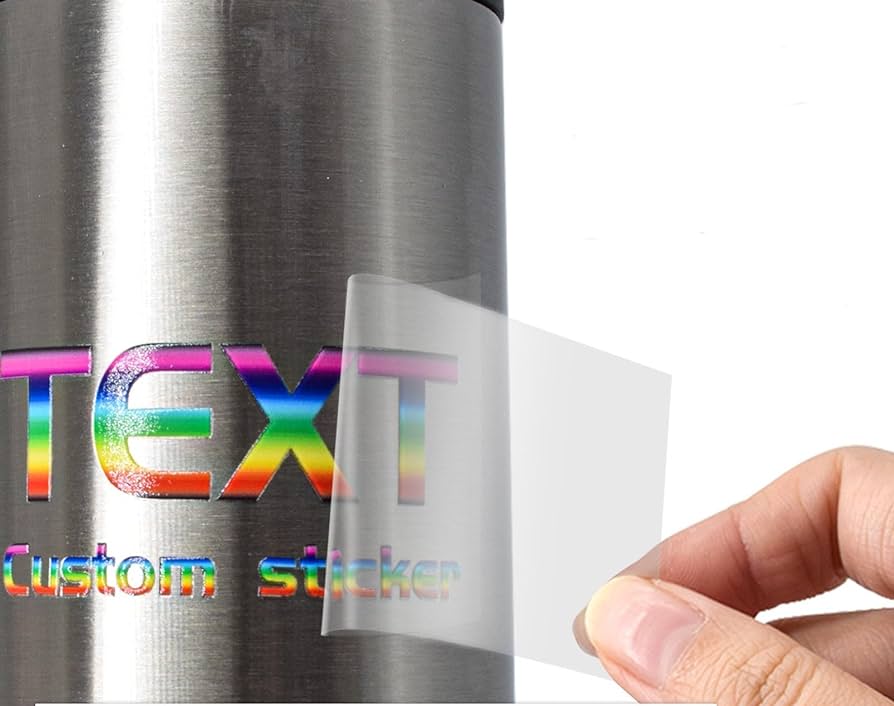
UV DTF printing creates high-resolution, full-colour designs on a specialised transfer film. The design is transferred onto hard, smooth surfaces by applying pressure and removing the carrier film. It is suitable for tumblers, bottles, gift boxes, acrylic, metal, glass and plastic products, creating a slightly raised finish with good durability for everyday use.
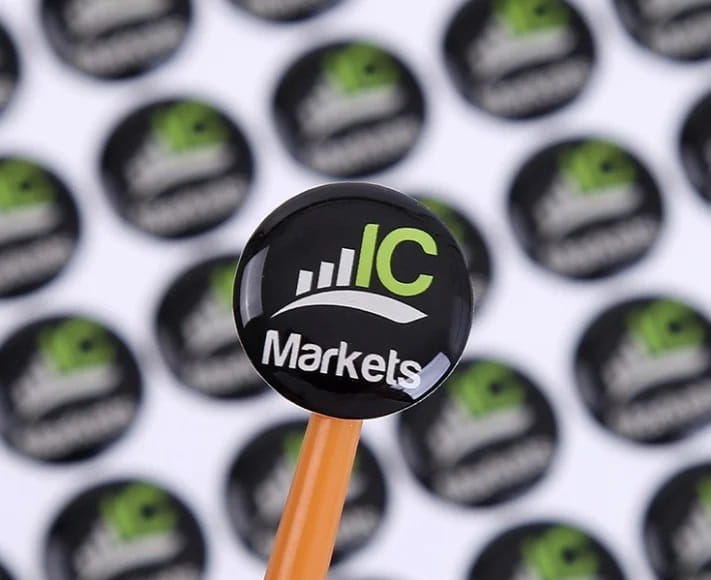
Full-colour digital printing reproduces detailed logos and graphics, which are then sealed beneath a clear epoxy resin dome. The raised coating enhances colour and depth while helping to protect the design from scratches, moisture and everyday wear. It is ideal for badges, keychains, labels and selected promotional products.
Laser engraving uses a focused, high-precision laser beam to permanently etch or mark logos, text and designs onto metal and wood surfaces. Depending on the material, the laser alters or removes the surface layer to produce a clean, precise and long-lasting finish. As no ink is required, it is a highly durable branding option for a wide range of corporate gifts.7
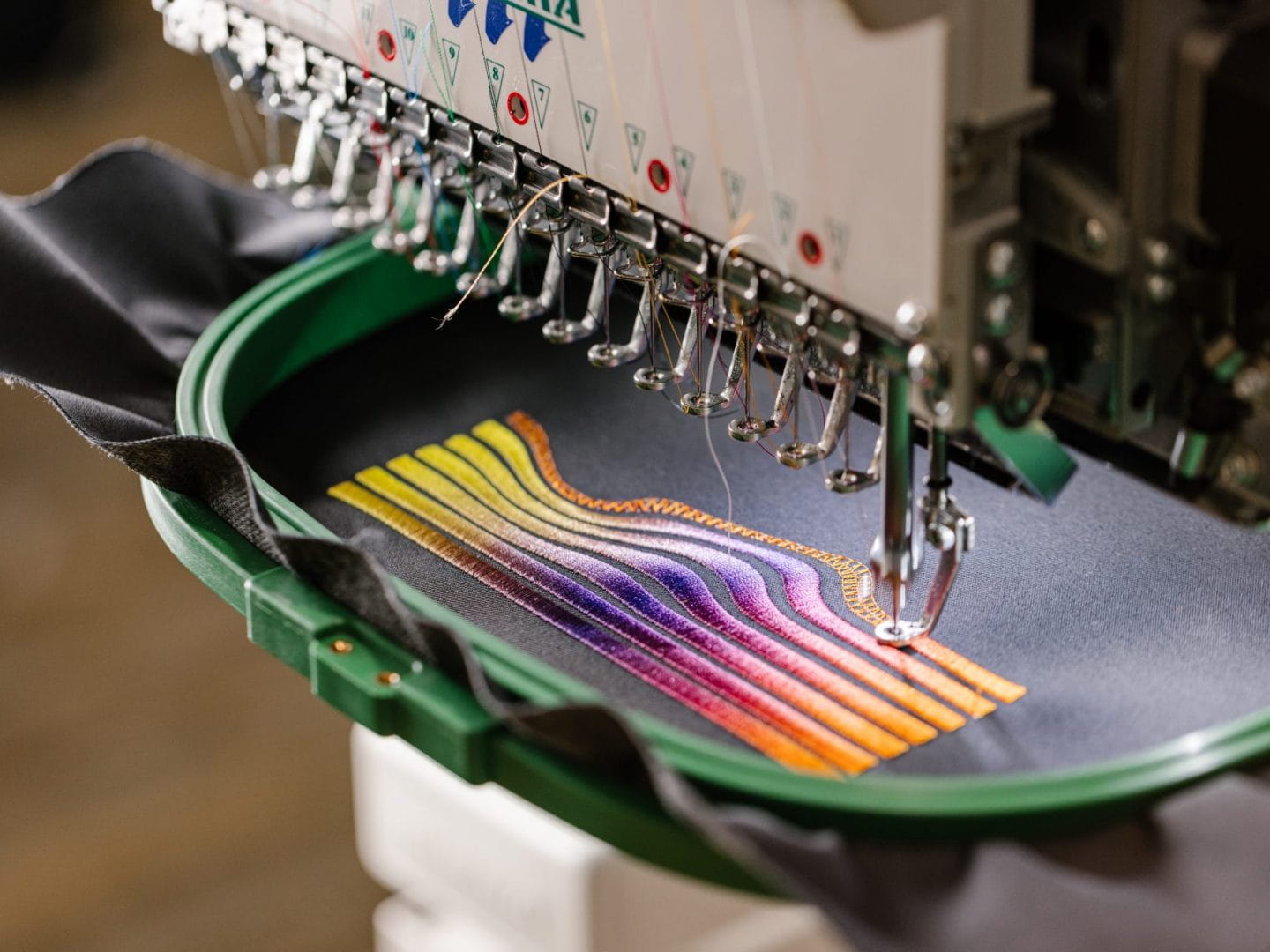
Machine embroidery uses automated stitching to apply logos, text and custom designs directly onto fabric. It creates a professional, textured and long-lasting finish, making it ideal for polo shirts, uniforms, caps, jackets, bags and other textile promotional products.
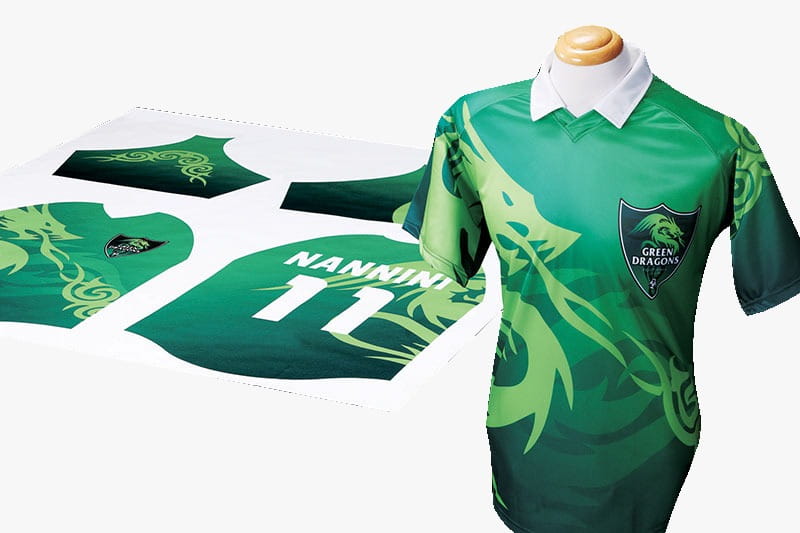
Full-colour sublimation printing uses heat to transfer dye directly into polyester fabric, producing vibrant, high-resolution designs that become part of the material. The print is lightweight, durable and resistant to cracking or peeling, making it ideal for sports jerseys, event apparel, uniforms, lanyards and other polyester promotional products.
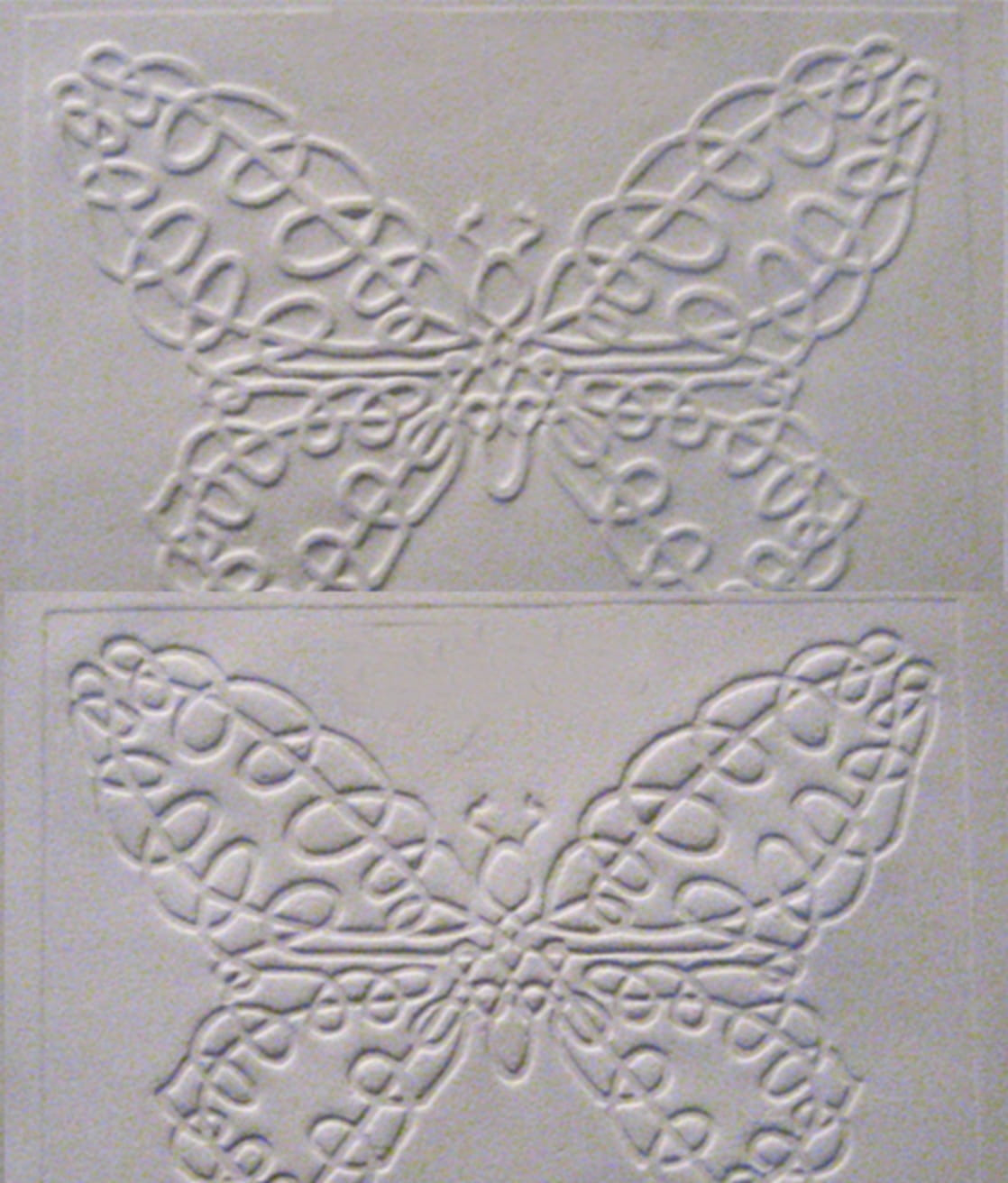
Embossing raises a logo or design above the surface, while debossing presses it into the material to create a recessed impression. Both techniques use a custom-made die to produce a clean, tactile and premium finish without the use of ink. They are ideal for notebooks, PU and leather products, gift boxes, cards and branded packaging.
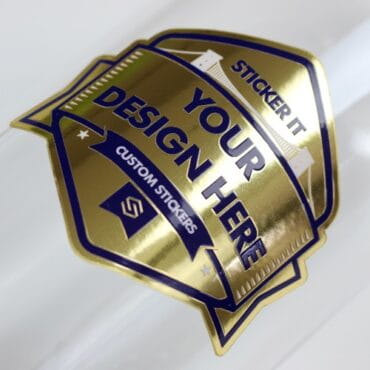
4Gold and silver stickers combine full-colour printing with a metallic finish to create eye-catching custom labels. Available in a variety of shapes and sizes, they are ideal for gift boxes, product packaging, trophies, plaques and other promotional items, adding a premium finishing touch to any brand.
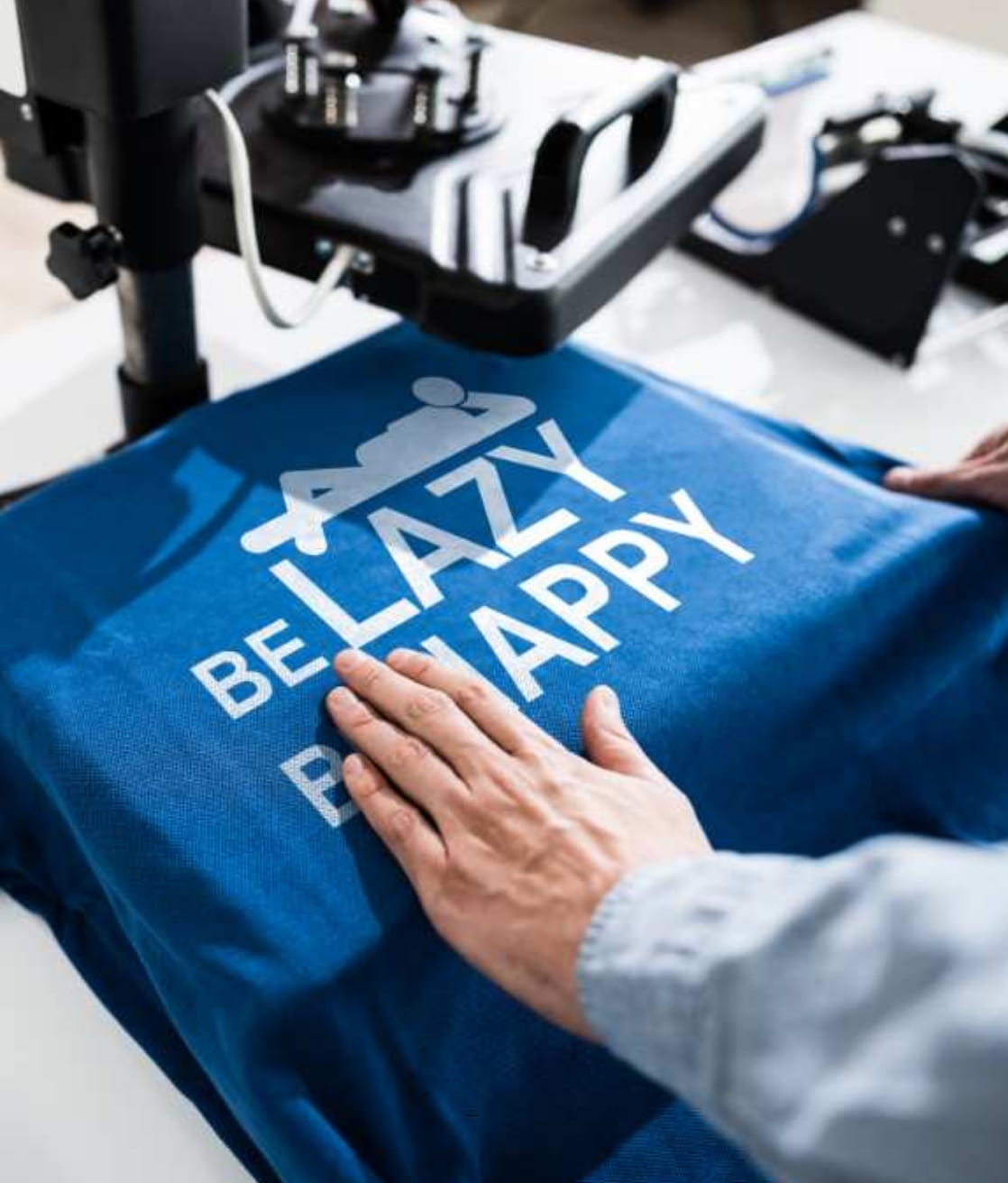
Heat transfer printing uses heat and pressure to apply a printed or cut design from transfer film onto fabric. It produces vibrant, detailed and durable graphics on a wide range of materials, including cotton, polyester and blended fabrics. This method is ideal for customising T-shirts, uniforms, tote bags and other textile promotional products.
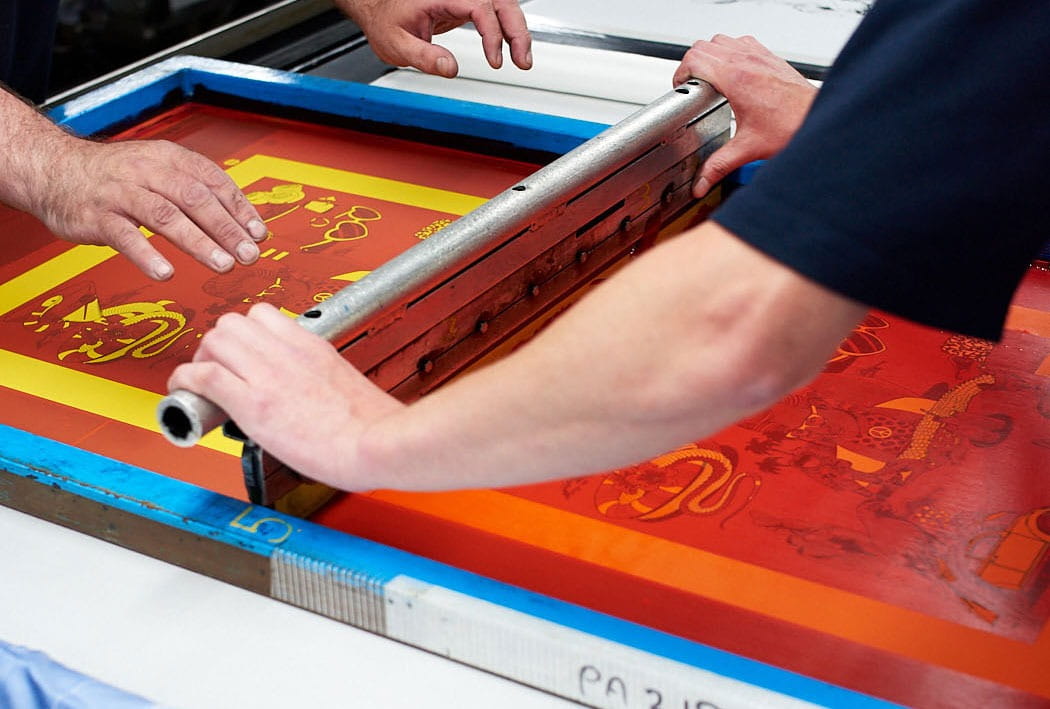
Screen printing transfers ink through a fine mesh stencil directly onto the product surface. It produces bold, opaque and durable prints, making it a cost-effective choice for medium to large quantities. This method is ideal for applying logos and simple designs to T-shirts, tote bags, umbrellas, notebooks and selected plastic, metal and wood products.
Malaysia-based corporate gift supplier specialising in premium merchandise, custom branding and thoughtful gift solutions for businesses, events and special occasions.


Mon–Fri, 9:00 AM–6:00 PM